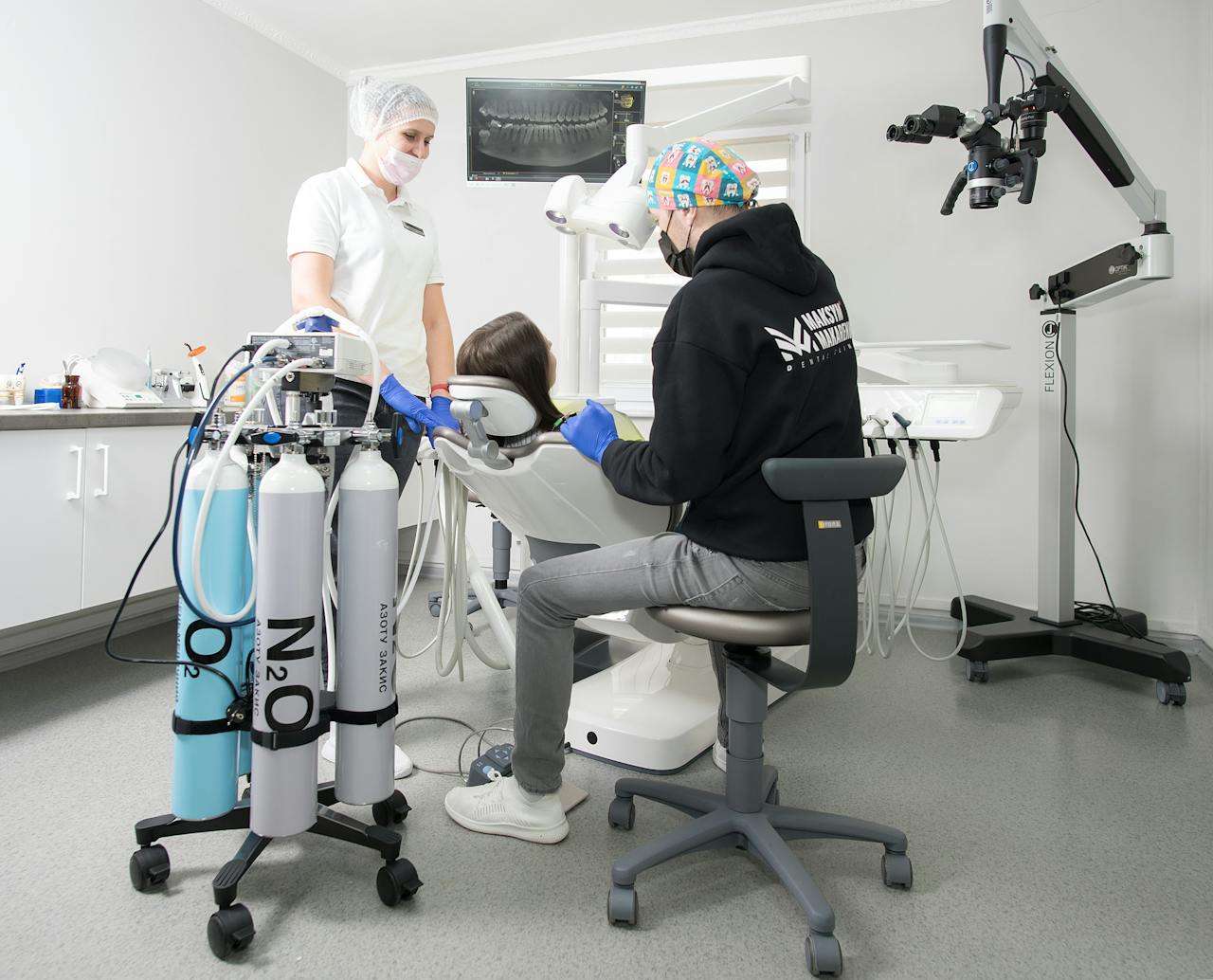
A toothache can hit at the worst possible time. Maybe it starts on a Friday night or during a busy work week. Your first instinct might be to reach for something in the kitchen. Salt water is one of the oldest home remedies around, and many people swear by it. But does it actually help, or does it just buy you time while a bigger problem gets worse?
Key Takeaways
- A salt water rinse may reduce mouth inflammation and help keep the area clean.
- It does not treat the underlying cause of a toothache.
- Salt water will not replace a dental visit, especially for severe or lasting pain.
- Using it too long can delay care and allow a dental problem to get worse.
- Good daily oral hygiene supports a healthier mouth and fresher breath overall.
What Salt Water Actually Does in Your Mouth
Salt water is not a treatment. It is a rinse. When you swish it around your mouth, it can help loosen food particles and debris near a sore tooth. It may also reduce swelling in the gum tissue around the area. That is why it has been used for generations as a quick, low-cost option when dental care is not immediately available.
The science behind it is straightforward. A salt water solution creates a temporarily higher-salt environment in your mouth. This can draw fluid out of swollen tissues, which may reduce that tight, throbbing feeling around an inflamed area. However, this effect is mild and short-lived.
How to Make and Use a Salt Water Rinse
Mix half a teaspoon of table salt into eight ounces of warm water. Stir until the salt dissolves fully. Swish the solution gently around your mouth for about 30 seconds, then spit it out. Do not swallow it. You can repeat this two to three times a day while waiting to see a dentist.
Keep the water warm, not hot. Hot water near an already sensitive tooth can increase pain. You are looking for comfort, not more irritation.
What Salt Water Cannot Do
Here is where many people go wrong. A salt water rinse will not fix a cavity. It will not stop an infection from spreading. It will not reattach a cracked tooth or reverse gum disease. If your toothache has a real cause, which it almost always does, that cause is still there after you rinse.
Toothaches can stem from tooth decay, an abscess, a cracked tooth, gum disease, or even a sinus issue. Each of these needs professional attention. A rinse can help you feel slightly more comfortable, but it does nothing to address any of these conditions directly.
Signs You Should Not Wait
Some toothache symptoms mean you need dental care right away. Do not rely on a salt water rinse if you have swelling in your jaw or face, a fever, trouble swallowing or breathing, or pus near the tooth or gum line. These can be signs of a serious infection that needs immediate treatment. Call a dentist or go to urgent care without delay.
Even without those severe symptoms, pain that lasts more than one or two days deserves a professional look. Waiting too long often turns a smaller problem into a much more involved one.
Salt Water and Daily Oral Care: What Actually Works
Salt water is not a substitute for a solid oral care routine. The best way to prevent toothaches is to take care of your mouth every day. That means brushing twice a day, flossing regularly, and rinsing to help keep your mouth feeling clean and fresh.
Oral care products like those from Profresh are designed to support daily breath freshness and leave your mouth feeling clean as part of a consistent routine. A cordless water flosser is also worth adding to your routine. It helps flush out debris between teeth and along the gum line, areas where problems often start. Profresh carries the Waterpik Water Flosser Cordless Advanced for exactly this purpose.
How to Build a Routine That Protects Your Teeth
Start with the basics. Brush for two minutes, twice a day. Floss at least once daily. Use a rinse that supports a clean-feeling mouth. If you want to go further, a professional water flosser can help reach spots that standard floss misses. These habits reduce the buildup that leads to decay, gum irritation, and yes, toothaches.
No single product fixes everything. But a consistent routine does more to protect your mouth than any emergency remedy ever could. Think of salt water as a bridge, not a solution.
Frequently Asked Questions
How quickly does a salt water rinse work for a toothache?
You may feel minor relief within a few minutes of rinsing. The reduction in swelling is temporary and mild. It is not a fast-acting pain reliever and should not replace over-the-counter pain medication or dental care when those are available.
Can I use salt water rinse with a dental abscess?
Salt water will not treat an abscess. An abscess is a bacterial infection that requires professional dental treatment, usually drainage and possibly antibiotics. Rinsing may offer minimal comfort, but you need to see a dentist as soon as possible. Do not use a salt water rinse as a reason to delay care.
Is it safe to use a salt water rinse every day?
Short-term daily use, such as a few days while waiting for a dental appointment, is generally considered safe. Using it for weeks on a regular basis is not recommended because it can irritate your gum tissue and dry out your mouth over time. If you need long-term oral care support, talk to your dentist about safer options.
Does warm salt water help with gum pain near a tooth?
Warm salt water may help ease mild gum inflammation, especially after a dental procedure or minor irritation. It can help flush out debris that irritates the gum line. However, ongoing gum pain is a sign that something needs attention. See a dentist if the pain does not improve within a day or two.
What else can I do at home while waiting to see a dentist?
You can take an over-the-counter pain reliever, apply a cold pack to the outside of your jaw for short intervals, and avoid very hot, cold, or sweet foods. Keep your mouth clean with gentle brushing and rinsing. Reach out to your dentist to get an appointment as soon as possible, even if the pain feels manageable.
Take Care of Your Mouth Every Day, Not Just When It Hurts
A salt water rinse can offer a small amount of temporary comfort when a toothache strikes. But it is not a solution, and using it as one only delays the care your mouth actually needs. The best thing you can do after using it is call your dentist.
For the day-to-day work of keeping your mouth clean and your breath fresh, Profresh offers oral care products built for consistent daily use. From rinses to water flossers, a good routine is what protects your teeth long before a toothache ever starts. Visit Profresh to find products that support a fresher, cleaner-feeling mouth every day.